



 Modern design
 Perfect fit
 High durability
 Free shipping within 24 hours
 Individual project
 Dedicated specjalist








How to Protect Alloy Wheels from Road Salt in Winter – A Practical Guide
Winter is undoubtedly the most difficult time for a car. Frost, slush, and, above all, road salt make the body and suspension components particularly susceptible to corrosion. One of the most affected components is aluminum rims, which, while they may look impressive, can suffer permanent damage when exposed to salt and moisture. Fortunately, there are many ways to effectively protect them from these harmful elements. This guide will provide you with proven methods that will allow you to enjoy beautiful, well-maintained rims for many seasons to come.

Why do salt and winter conditions damage aluminum rims?
Road salt is the most dangerous enemy of rims in winter. It has strong hygroscopic properties, meaning it attracts and retains moisture. When combined with water, it creates an electrolyte that accelerates the corrosion process. Aluminum rims, which are often painted or polished, often suffer from micro-cracks and surface damage. A minor scratch is enough for the salt to penetrate the paintwork and begin to loosen it. Over time, this leads to unsightly blisters and chips, and in extreme cases, weakening the material's structure. Adding to this are winter conditions: low temperatures, weather fluctuations, and mechanical impact from stones, which further open the door to corrosion.
Regular care – the first step to protection
Washing rims in winter – how to do it properly?
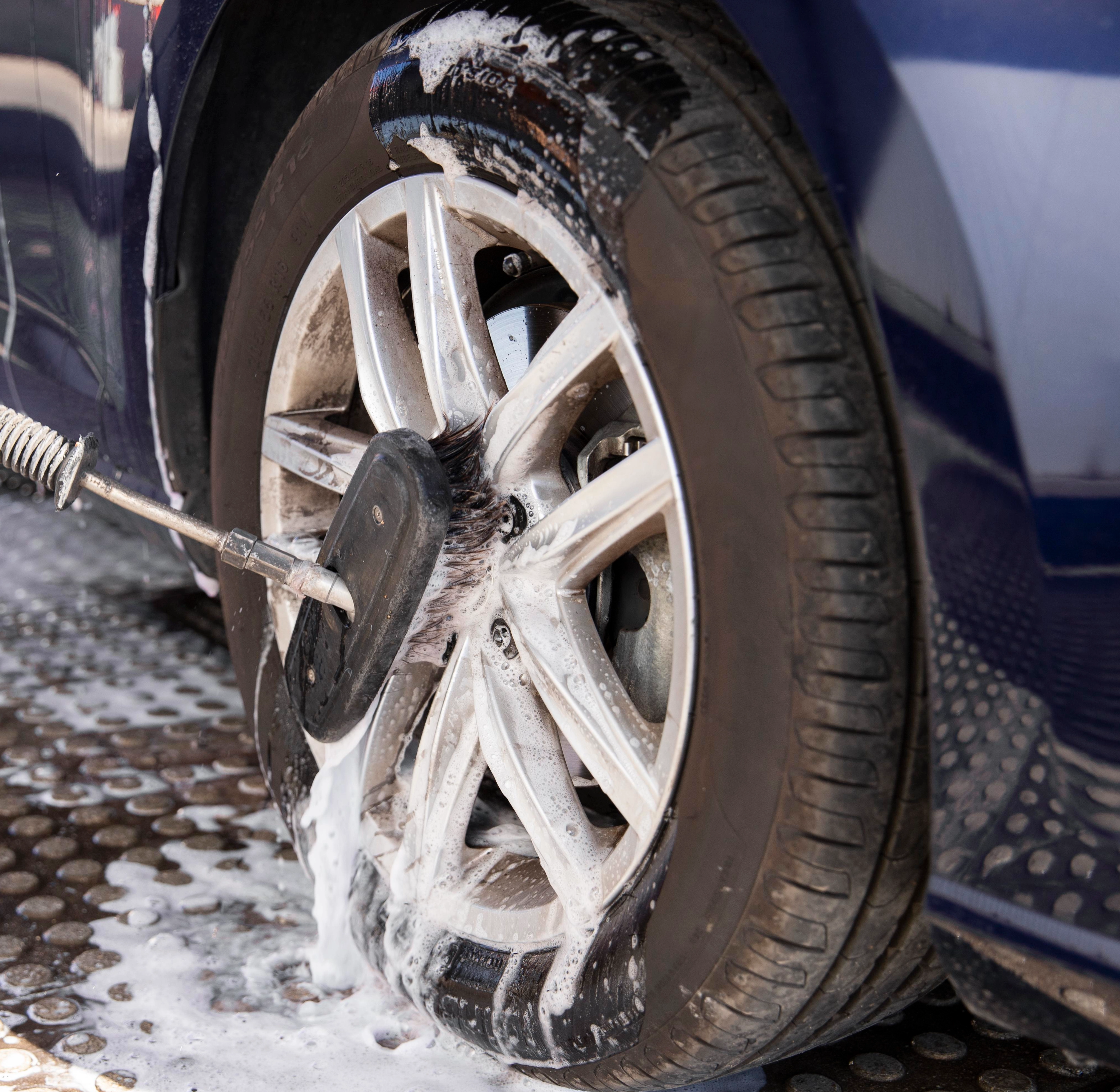
The most effective way to combat salt buildup is to remove it quickly. Therefore, it's worth washing your car more often in winter than in summer – ideally every 1-2 weeks. It's best to use special pH-neutral fluids for rims, which are safe for the paint and protective coatings. Avoid aggressive alkaline chemicals, which can accelerate coating damage. So-called "deironizers" are a good choice, as they remove metal deposits, but use sparingly. When washing, pay attention to nooks and crannies – this is where slush and salt most often accumulate. A soft-bristled rim brush will be helpful.
Drying and protection after washing
Many drivers skip this step, which is a mistake. Rims should be thoroughly dried after washing – moisture combined with salt accelerates corrosion. It's best to use a microfiber cloth or compressed air to dry them. After drying, it's a good idea to apply a quick protection, such as a quick detailer spray for rims. This thin protective layer reduces dirt adhesion and makes subsequent washing easier.
Protective coatings – how do they work and are they worth investing in?
While regular washing and drying of rims is essential, care alone is often not enough to effectively protect them from salt and winter dirt. That's why specialized protective coatings are becoming increasingly popular. They create an additional barrier between the paint and external factors. These coatings help rims retain their appearance longer, are easier to clean, and minimize the risk of corrosion. So let's explore the available options and which ones are actually effective in winter.
Waxes and sealants for rims
This is the simplest and cheapest protection method. Wax or sealant creates a thin, hydrophobic layer on the rim surface that repels water and dirt. This type of protection typically lasts 2–6 weeks, so it requires regular reapplication in winter. Another advantage is its ease of application—you can do it yourself in your garage.
Ceramic and quartz coatings
This is a solution for those seeking long-term protection. Ceramic coating creates a hard barrier on the rim surface, resistant to chemicals, salt, and high temperatures (e.g., from hot brakes). A properly applied ceramic coating lasts from several months to even several years. It's more expensive than waxes, and application requires precision—this is often outsourced to professional detailers. However, its effectiveness and convenience (less frequent washing, easier dirt removal) make it the best investment in winter rim protection.
Types of rim finishes and resistance to salt and chemicals
Not all aluminum rims react equally to salt and winter dirt. Their finish is crucial – it determines chemical resistance, ease of maintenance, and the effectiveness of protective coatings.
Painted rims
This is the most popular finish on the market. The varnish creates a protective layer that protects the aluminum from direct contact with salt and moisture.
- Advantages : easy to care for, high compatibility with waxes, sealants and ceramic coatings.
- Disadvantages : in the case of chips or deep scratches, salt quickly penetrates the paint and causes it to loosen.
Polished rims
Rims with a polished surface (so-called front polish, diamond cut) look exceptionally impressive, but maintaining them in winter is a challenge.
- Advantages : elegant, mirror visual effect.
- Disadvantages : The lack of a thick layer of paint means greater susceptibility to salt, moisture, and corrosion. Such rims require gentle cleaning products and are best reserved for the summer season.
Matte rims
Increasingly popular due to their unique appearance and modern character. Unfortunately, matte surfaces are more susceptible to inappropriate cosmetics.
- Advantages : attractive, unique appearance, lower risk of visible minor scratches.
- Disadvantages : They require dedicated products that don't alter the texture or add shine. Using traditional waxes or polishes can cause stains and loss of the matte effect.
Winter tires and rims – does it matter?
Tires themselves don't protect rims from salt, but how they're mounted and used is crucial. When mounting winter tires, it's best to use a professional service that uses the right equipment and tools. A damaged rim edge is an ideal place for salt to penetrate the paint. Furthermore, narrower winter tires reduce the risk of rims hitting curbs, which also reduces the risk of micro-damage.
Driving and parking style and the durability of rims in winter
It's not just chemicals that damage rims – driving style also plays a significant role. Avoid hitting curbs and deep puddles of slush. Any such incident can cause invisible micro-cracks in the coating, which, when combined with salt, quickly turn into corrosion. It's also worth remembering how to park – if you leave your car outdoors, try to avoid areas where the rims come into contact with snow or slush.
Additional ways to protect rims
PPF protective films
An increasingly popular solution is clear protective films (PPF), applied not only to the paint but also to the rims. They create a thick mechanical barrier that protects against salt, sand, and stone chips. This is a more expensive solution, but especially recommended for premium rims.
Learn more about protective films in our article – How much does car wrapping cost and what determines the price of the service?
Dedicated winter rims
If you have particularly valuable aluminum rims, it's worth considering a second set – cheaper ones designed exclusively for winter use. Many people use simpler winter rim designs, which are easier to maintain and less susceptible to damage. This way, you can save your best rims for the summer season.
🚫 The most common mistakes in caring for rims in winter
- Using too aggressive cleaning agents that damage the paintwork.
- Washing too infrequently – the salt remains on the rim and acts for many days.
- Washing hot rims immediately after driving – the temperature difference can cause micro-cracks in the paint.
- No drying after washing – moisture accelerates corrosion.
- Ignoring minor damage – chips and scratches should be repaired as soon as possible.
✅ Checklist: 5 steps to protect your rims in winter
- Wash your rims regularly – ideally every 1–2 weeks – to prevent salt from building up on the surface.
- Use gentle agents – choose pH-neutral liquids instead of aggressive chemicals.
- Dry your rims thoroughly – moisture combined with salt accelerates corrosion.
- Protect the surface – use wax, sealant or ceramic coating.
- Check the condition of your rims – react immediately to chips and scratches before salt gets under the paint.
Aluminum rims can be a car's pride and joy, but in winter, they're particularly vulnerable to salt and moisture. The key to protecting them is regular maintenance: regular washing, thorough drying, and applying protective coatings. Investing in a ceramic coating, PPF film, or a separate set of winter rims will help you avoid costly repairs and enjoy pristine wheels for years to come. By caring for your rims, you're not only improving their aesthetics but also increasing the value of your car—and that's always a worthwhile investment.