



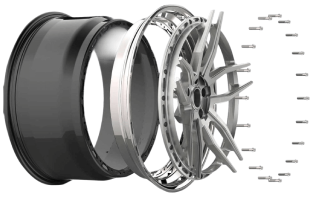
 Modern design
 Perfect fit
 High durability
 Free shipping within 24 hours
 Individual project
 Dedicated specjalist








Tire Load Index: What is it and how to read it?
Choosing the right tires for your vehicle isn't just a matter of size or season. Other markings also play a key role, including the tire's load index, which is crucial. This rating tells you how much load a given tire can safely support. But how do you read it and why is it so important? Read on!
Load index – what does it mean?
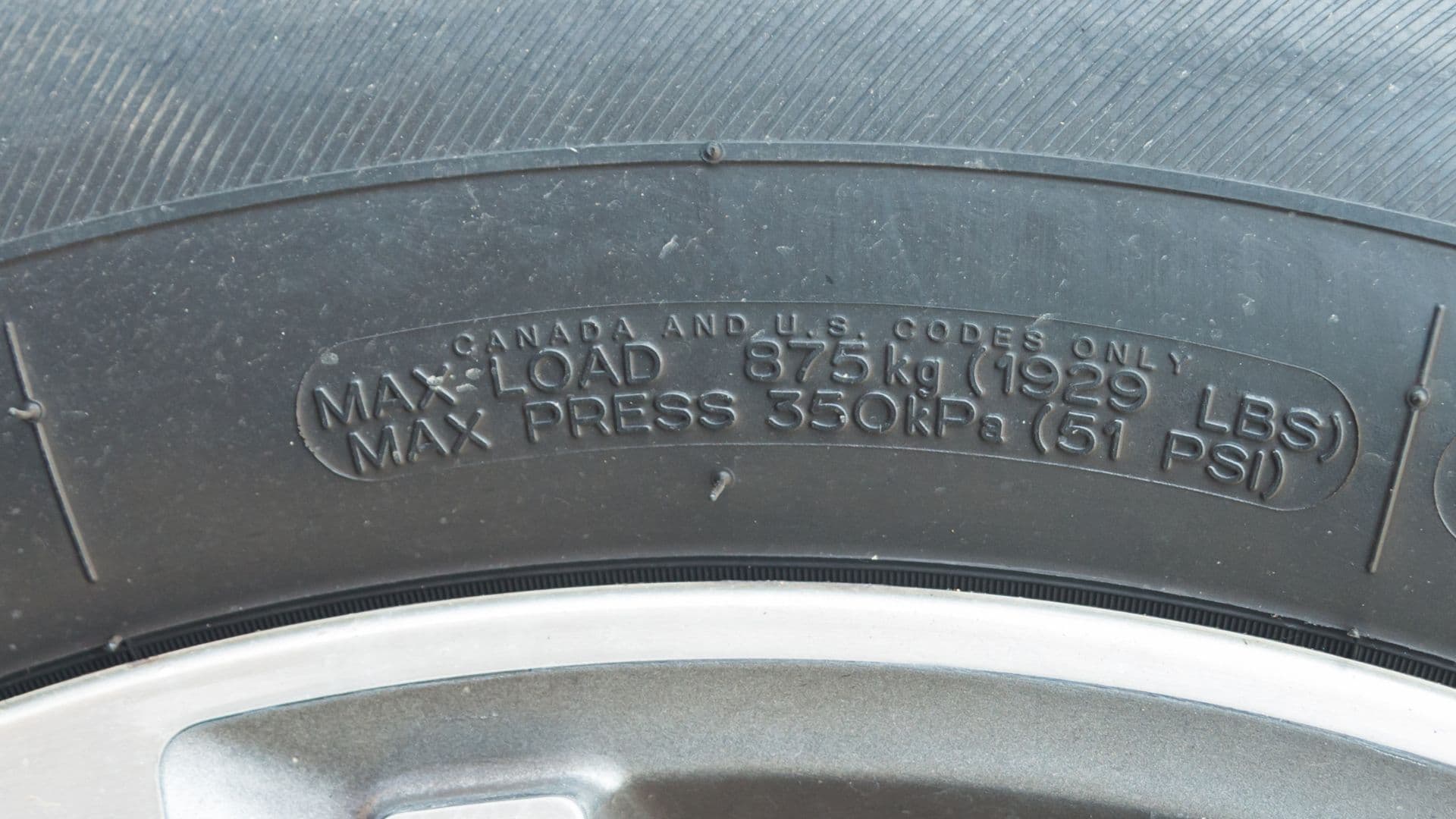
The technical parameter load index is a number that indicates the maximum load a tire can carry at its maximum permissible speed . Simply put, it indicates how much weight a tire can safely support. Tires designed for different types of vehicles, from passenger cars to trucks, will have different load indexes. This is especially important for those carrying heavy loads, such as camping equipment, trailers, or large amounts of luggage. In such situations, using tires with the appropriate load index can ensure greater road safety and longer tire life. Choosing the right load index is therefore key to satisfactory tire performance and protecting your investment in new tires. It's worth paying attention to this parameter, especially if your vehicle is frequently loaded to its limits or you drive at high speeds. The tire manufacturer's table will help you read and understand the values of this parameter.
Where is the load index on a tire?
Every tire has a series of markings on its sidewall. Among the letters and numbers is the tire's load index . This is usually a two- or three-digit number that appears just before the speed symbol, which is a letter (e.g., 91V). If you're having trouble locating this information on your tire, it's worth checking what the symbols on your car tires mean by visiting a specialized website or asking a friendly car mechanic.
How to read the load index?
Reading and understanding tire markings yourself may seem a bit complicated at first, but it's definitely worth understanding. The load index is a two- or three-digit number located on the sidewall of the tire, immediately following the size markings. For example, on a tire marked "205/55R16 91V," the number "91" represents the load index.
This specific number represents the maximum load the tire can safely carry at maximum speed. However, it's important to remember that this number alone doesn't indicate the exact weight. To determine exactly how many kilograms a tire's load index corresponds to, it's worth consulting a load index table, available from tire manufacturers or specialist industry sources. If the tire markings show an index of 91, it means the tires can carry up to 615 kg. This specialist table shows the load capacity for all load indexes.
Don't assume that a higher load index automatically means a better tire. Choosing a tire with the appropriate load index should be based on your vehicle's specifications and the typical loads you encounter during daily driving. Too low an index can lead to premature tire wear and safety issues , while too high an index may provide no additional benefit and even impact ride comfort.
Why is the load index important for safety?
- Puncture protection. Tires with the appropriate load index are less susceptible to punctures. When a tire is overloaded, its thinner sections can wear out faster and become more susceptible to punctures.
- Driving stability. Using tires with the correct load index ensures better vehicle stability, especially during high-speed maneuvers or when the vehicle is heavily loaded.
- Predictable tire behavior. Tires that are not overloaded and meet vehicle specifications behave more predictably in various driving conditions.
- Longer tire life. An incorrect load index can shorten tire life. Tires loaded beyond their load-bearing capacity can experience excessive wear, leading to early replacement.
- Fuel savings. Tires that are properly sized for a vehicle's load can help optimize fuel consumption. Overloaded tires can increase rolling resistance, leading to higher fuel consumption.
Understanding and following your tire's load index markings is an important step towards ensuring road safety. Not only does it help protect the tire itself from premature wear, but it also plays a crucial role in ensuring stability and safety while driving. By choosing tires with the correct load index for your vehicle and driving style, you can drive with greater confidence and peace of mind , knowing your car is properly equipped.
Proper tire markings and awareness of their importance are key to safe driving. The load index is one of the most important indicators that every driver should know and understand. Remember that the right tires not only improve driving comfort but, above all, ensure our safety on the road.


