



 Modern design
 Perfect fit
 High durability
 Free shipping within 24 hours
 Individual project
 Dedicated caregiver






The Yokohama iceGUARD iG60A is a winter tire designed for passenger vehicles, offering exceptional grip on icy and snowy roads, ensuring maximum safety and control during the cold months.
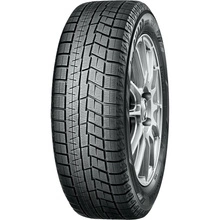
Tires Yokohama iceGUARD iG60A 235/45 R17 94Q
- ?
Tire size: this is the tire size designation, for example 225/45 R18:
225 – tire width in millimeters,
45 – aspect ratio, meaning the sidewall height is 45% of the tire width,
R – indicates radial tire construction,
18 – inner diameter of the tire (rim size), expressed in inches.Tyre size:235/45 R17 - ?
The speed index is a letter designation that indicates the maximum speed at which a tire can safely operate while maintaining the allowable load. According to the law, a tire should have at least the speed index (and load index) recommended by the vehicle manufacturer. It is possible to use tires with a higher speed index, which is often permitted by the vehicle manufacturer.
Speed index:Q - 160 km/h - ?
The load index (also known as the load rating) is a numerical indicator that specifies the maximum permissible load a single tire can carry at the recommended pressure and within its speed rating. Each numerical load index corresponds to a specific weight (given in kilograms), e.g., 91 means 615 kg.
Capacity Index:94 - 670 kg - ?
Tire season: indicates the weather conditions for which the rubber compound and tread pattern are designed. Summer, winter, or all-season. A compromise between summer and winter tires; they perform well in various climatic conditions, but in extremely hot or winter climates they are significantly inferior to dedicated tires.
Season:Winter - ?
In Poland, the PN-C94300 standard "Tyres – packaging, storage and transport" is in force. According to its guidelines, tires can be placed on the market, stored, distributed, and sold without restrictions for up to 3 years from their production date. The tires retain all their safety and performance properties.
Year of tire production:Do 3 lat - ?
The tyre label (EU label) is an official marking introduced in the European Union that provides information about the basic parameters of a tyre and its impact on safety and the environment.
Label:D E 71 dB
168,00 € incl. VAT
List price:
Shipment after
pcs.
 Compare
 Add to wish list

Tires Yokohama iceGUARD iG60A 255/40 R18 99Q
- ?
Tire size: this is the tire size designation, for example 225/45 R18:
225 – tire width in millimeters,
45 – aspect ratio, meaning the sidewall height is 45% of the tire width,
R – indicates radial tire construction,
18 – inner diameter of the tire (rim size), expressed in inches.Tyre size:255/40 R18 - ?
The speed index is a letter designation that indicates the maximum speed at which a tire can safely operate while maintaining the allowable load. According to the law, a tire should have at least the speed index (and load index) recommended by the vehicle manufacturer. It is possible to use tires with a higher speed index, which is often permitted by the vehicle manufacturer.
Speed index:Q - 160 km/h - ?
The load index (also known as the load rating) is a numerical indicator that specifies the maximum permissible load a single tire can carry at the recommended pressure and within its speed rating. Each numerical load index corresponds to a specific weight (given in kilograms), e.g., 91 means 615 kg.
Capacity Index:99 - 775 kg - ?
Tire season: indicates the weather conditions for which the rubber compound and tread pattern are designed. Summer, winter, or all-season. A compromise between summer and winter tires; they perform well in various climatic conditions, but in extremely hot or winter climates they are significantly inferior to dedicated tires.
Season:Winter - ?
In Poland, the PN-C94300 standard "Tyres – packaging, storage and transport" is in force. According to its guidelines, tires can be placed on the market, stored, distributed, and sold without restrictions for up to 3 years from their production date. The tires retain all their safety and performance properties.
Year of tire production:Do 3 lat - ?Oznaczenia opon:XL
- ?
The tyre label (EU label) is an official marking introduced in the European Union that provides information about the basic parameters of a tyre and its impact on safety and the environment.
Label:E F 71 dB
187,60 € incl. VAT
List price:
Shipment after
pcs.

Tires Yokohama iceGUARD iG60A 245/35 R19 93Q
- ?
Tire size: this is the tire size designation, for example 225/45 R18:
225 – tire width in millimeters,
45 – aspect ratio, meaning the sidewall height is 45% of the tire width,
R – indicates radial tire construction,
18 – inner diameter of the tire (rim size), expressed in inches.Tyre size:245/35 R19 - ?
The speed index is a letter designation that indicates the maximum speed at which a tire can safely operate while maintaining the allowable load. According to the law, a tire should have at least the speed index (and load index) recommended by the vehicle manufacturer. It is possible to use tires with a higher speed index, which is often permitted by the vehicle manufacturer.
Speed index:Q - 160 km/h - ?
The load index (also known as the load rating) is a numerical indicator that specifies the maximum permissible load a single tire can carry at the recommended pressure and within its speed rating. Each numerical load index corresponds to a specific weight (given in kilograms), e.g., 91 means 615 kg.
Capacity Index:93 - 650 kg - ?
Tire season: indicates the weather conditions for which the rubber compound and tread pattern are designed. Summer, winter, or all-season. A compromise between summer and winter tires; they perform well in various climatic conditions, but in extremely hot or winter climates they are significantly inferior to dedicated tires.
Season:Winter - ?
In Poland, the PN-C94300 standard "Tyres – packaging, storage and transport" is in force. According to its guidelines, tires can be placed on the market, stored, distributed, and sold without restrictions for up to 3 years from their production date. The tires retain all their safety and performance properties.
Year of tire production:Do 3 lat - ?Oznaczenia opon:XL
- ?
The tyre label (EU label) is an official marking introduced in the European Union that provides information about the basic parameters of a tyre and its impact on safety and the environment.
Label:E F 71 dB
192,90 € incl. VAT
List price:
Shipment after
pcs.
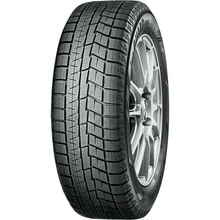
Tires Yokohama iceGUARD iG60A 235/50 R19 103Q
- ?
Tire size: this is the tire size designation, for example 225/45 R18:
225 – tire width in millimeters,
45 – aspect ratio, meaning the sidewall height is 45% of the tire width,
R – indicates radial tire construction,
18 – inner diameter of the tire (rim size), expressed in inches.Tyre size:235/50 R19 - ?
The speed index is a letter designation that indicates the maximum speed at which a tire can safely operate while maintaining the allowable load. According to the law, a tire should have at least the speed index (and load index) recommended by the vehicle manufacturer. It is possible to use tires with a higher speed index, which is often permitted by the vehicle manufacturer.
Speed index:Q - 160 km/h - ?
The load index (also known as the load rating) is a numerical indicator that specifies the maximum permissible load a single tire can carry at the recommended pressure and within its speed rating. Each numerical load index corresponds to a specific weight (given in kilograms), e.g., 91 means 615 kg.
Capacity Index:103 - 875 kg - ?
Tire season: indicates the weather conditions for which the rubber compound and tread pattern are designed. Summer, winter, or all-season. A compromise between summer and winter tires; they perform well in various climatic conditions, but in extremely hot or winter climates they are significantly inferior to dedicated tires.
Season:Winter - ?
In Poland, the PN-C94300 standard "Tyres – packaging, storage and transport" is in force. According to its guidelines, tires can be placed on the market, stored, distributed, and sold without restrictions for up to 3 years from their production date. The tires retain all their safety and performance properties.
Year of tire production:Do 3 lat - ?Oznaczenia opon:XL
- ?
The tyre label (EU label) is an official marking introduced in the European Union that provides information about the basic parameters of a tyre and its impact on safety and the environment.
Label:D E 71 dB
199,80 € incl. VAT
List price:
Shipment after
pcs.
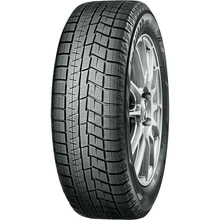
Tires Yokohama iceGUARD iG60A 245/40 R19 98Q
- ?
Tire size: this is the tire size designation, for example 225/45 R18:
225 – tire width in millimeters,
45 – aspect ratio, meaning the sidewall height is 45% of the tire width,
R – indicates radial tire construction,
18 – inner diameter of the tire (rim size), expressed in inches.Tyre size:245/40 R19 - ?
The speed index is a letter designation that indicates the maximum speed at which a tire can safely operate while maintaining the allowable load. According to the law, a tire should have at least the speed index (and load index) recommended by the vehicle manufacturer. It is possible to use tires with a higher speed index, which is often permitted by the vehicle manufacturer.
Speed index:Q - 160 km/h - ?
The load index (also known as the load rating) is a numerical indicator that specifies the maximum permissible load a single tire can carry at the recommended pressure and within its speed rating. Each numerical load index corresponds to a specific weight (given in kilograms), e.g., 91 means 615 kg.
Capacity Index:98 - 750 kg - ?
Tire season: indicates the weather conditions for which the rubber compound and tread pattern are designed. Summer, winter, or all-season. A compromise between summer and winter tires; they perform well in various climatic conditions, but in extremely hot or winter climates they are significantly inferior to dedicated tires.
Season:Winter - ?
In Poland, the PN-C94300 standard "Tyres – packaging, storage and transport" is in force. According to its guidelines, tires can be placed on the market, stored, distributed, and sold without restrictions for up to 3 years from their production date. The tires retain all their safety and performance properties.
Year of tire production:Do 3 lat - ?
The tyre label (EU label) is an official marking introduced in the European Union that provides information about the basic parameters of a tyre and its impact on safety and the environment.
Label:D E 71 dB
203,40 € incl. VAT
List price:
Shipment after
pcs.
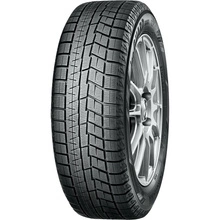
Tires Yokohama iceGUARD iG60A 255/35 R19 96Q
- ?
Tire size: this is the tire size designation, for example 225/45 R18:
225 – tire width in millimeters,
45 – aspect ratio, meaning the sidewall height is 45% of the tire width,
R – indicates radial tire construction,
18 – inner diameter of the tire (rim size), expressed in inches.Tyre size:255/35 R19 - ?
The speed index is a letter designation that indicates the maximum speed at which a tire can safely operate while maintaining the allowable load. According to the law, a tire should have at least the speed index (and load index) recommended by the vehicle manufacturer. It is possible to use tires with a higher speed index, which is often permitted by the vehicle manufacturer.
Speed index:Q - 160 km/h - ?
The load index (also known as the load rating) is a numerical indicator that specifies the maximum permissible load a single tire can carry at the recommended pressure and within its speed rating. Each numerical load index corresponds to a specific weight (given in kilograms), e.g., 91 means 615 kg.
Capacity Index:96 - 710 kg - ?
Tire season: indicates the weather conditions for which the rubber compound and tread pattern are designed. Summer, winter, or all-season. A compromise between summer and winter tires; they perform well in various climatic conditions, but in extremely hot or winter climates they are significantly inferior to dedicated tires.
Season:Winter - ?
In Poland, the PN-C94300 standard "Tyres – packaging, storage and transport" is in force. According to its guidelines, tires can be placed on the market, stored, distributed, and sold without restrictions for up to 3 years from their production date. The tires retain all their safety and performance properties.
Year of tire production:Do 3 lat - ?Oznaczenia opon:XL
- ?
The tyre label (EU label) is an official marking introduced in the European Union that provides information about the basic parameters of a tyre and its impact on safety and the environment.
Label:D E 71 dB
241,20 € incl. VAT
List price:
Shipment after
pcs.

Tires Yokohama iceGUARD iG60A 245/45 R20 99Q
- ?
Tire size: this is the tire size designation, for example 225/45 R18:
225 – tire width in millimeters,
45 – aspect ratio, meaning the sidewall height is 45% of the tire width,
R – indicates radial tire construction,
18 – inner diameter of the tire (rim size), expressed in inches.Tyre size:245/45 R20 - ?
The speed index is a letter designation that indicates the maximum speed at which a tire can safely operate while maintaining the allowable load. According to the law, a tire should have at least the speed index (and load index) recommended by the vehicle manufacturer. It is possible to use tires with a higher speed index, which is often permitted by the vehicle manufacturer.
Speed index:Q - 160 km/h - ?
The load index (also known as the load rating) is a numerical indicator that specifies the maximum permissible load a single tire can carry at the recommended pressure and within its speed rating. Each numerical load index corresponds to a specific weight (given in kilograms), e.g., 91 means 615 kg.
Capacity Index:99 - 775 kg - ?
Tire season: indicates the weather conditions for which the rubber compound and tread pattern are designed. Summer, winter, or all-season. A compromise between summer and winter tires; they perform well in various climatic conditions, but in extremely hot or winter climates they are significantly inferior to dedicated tires.
Season:Winter - ?
In Poland, the PN-C94300 standard "Tyres – packaging, storage and transport" is in force. According to its guidelines, tires can be placed on the market, stored, distributed, and sold without restrictions for up to 3 years from their production date. The tires retain all their safety and performance properties.
Year of tire production:Do 3 lat - ?Oznaczenia opon:XL
- ?
The tyre label (EU label) is an official marking introduced in the European Union that provides information about the basic parameters of a tyre and its impact on safety and the environment.
Label:E F 71 dB
285,10 € incl. VAT
List price:
Shipment after
pcs.
Yokohama iceGUARD iG60A: Tread Design and Driving Characteristics
The Yokohama iceGUARD iG60A features a directional tread pattern that enhances grip and improves steering precision, allowing drivers to navigate through winter conditions confidently.
Yokohama iceGUARD iG60A: Wet Surface Performance and Safety
With its advanced water evacuation system, the iceGUARD iG60A minimizes aquaplaning risk and ensures efficient braking distances, providing safety even in challenging weather conditions.
Yokohama iceGUARD iG60A: Durability and Travel Comfort
This tire is designed to offer a quiet ride while effectively absorbing road imperfections. The specialized rubber compounds enhance durability, ensuring a long lifespan.
Yokohama iceGUARD iG60A: Who is this tire for?
Ideal for city and highway driving, the iceGUARD iG60A is available in a variety of sizes, making it suitable for different types of vehicles. It is the perfect choice for anyone seeking reliability and performance in winter conditions.