



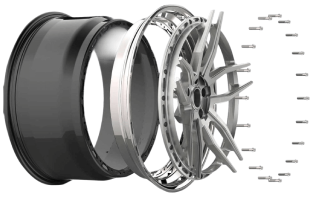
 Modern design
 Perfect fit
 High durability
 Free shipping within 24 hours
 Individual project
 Dedicated specjalist






What do the symbols on car tires mean? Deciphering the codes
The mysterious symbols, numbers, letters, and other markings found on the sidewalls of car tires are not accidental. These markings are crucial to understanding tire specifications, as well as for the safety and optimal performance of your vehicle. In this article, we clear up any doubts and explain what these codes mean.
Tire size - what do the numbers and letters mean?
How big are your car's wheels? The tire size is probably the most familiar marking found on every car tire. It's a series of numbers and letters that tell us about the tire's key dimensions.
For example, the sequence of numbers, signs and letters 205/55 R16 means:
- "205" is the tire width in millimeters.
- "55" is the percentage ratio of the tire's profile height to its width (in this case, 55% of 205 mm).
- The "R" indicates that the tire is radial, meaning that its plies run radially from the center of the tire.
- "16" is the diameter of the rim in inches on which the tire should be mounted.
Understanding these markings is crucial, as selecting the correct tire size for your car directly impacts safety and driving performance. Incorrectly sized car tires can affect not only ride comfort but also fuel economy, traction, and even the accuracy of dashboard displays like the speedometer. Therefore, always follow the car manufacturer's recommendations and choose the correct tire size. Basic tire markings and information can usually be found in the car's owner's manual or on a sticker located inside the driver's door.
Remember that changing a tire size to a different one than the manufacturer's recommended may require modifications to your vehicle and should always be performed by a qualified mechanic. Remember, too, that the right tire size isn't just about driving comfort, but above all, your safety. So always make sure your tires are the right size and in good condition.
Manufacturer code - how to read it?
A manufacturer's specific code, often called a batch number, is a unique identifier that allows tire manufacturers to track and identify their products. This code consists of a series of letters and numbers that indicate the location, date, and production line on which the tire was manufactured. While the manufacturer's code may seem complicated and unhelpful at first glance, it is very useful in the event of a product recall or identifying issues with a specific tire batch.
Tire production date - where to find it and how to interpret it?
The exact date of manufacture of a tire is typically indicated by a four-digit code located on the sidewall. The first two digits indicate the week of manufacture, and the last two indicate the year of manufacture. For example, the code "3220" means the tire was manufactured in the 32nd week of 2020. This is important because tires, like many other products, have a specific shelf life.
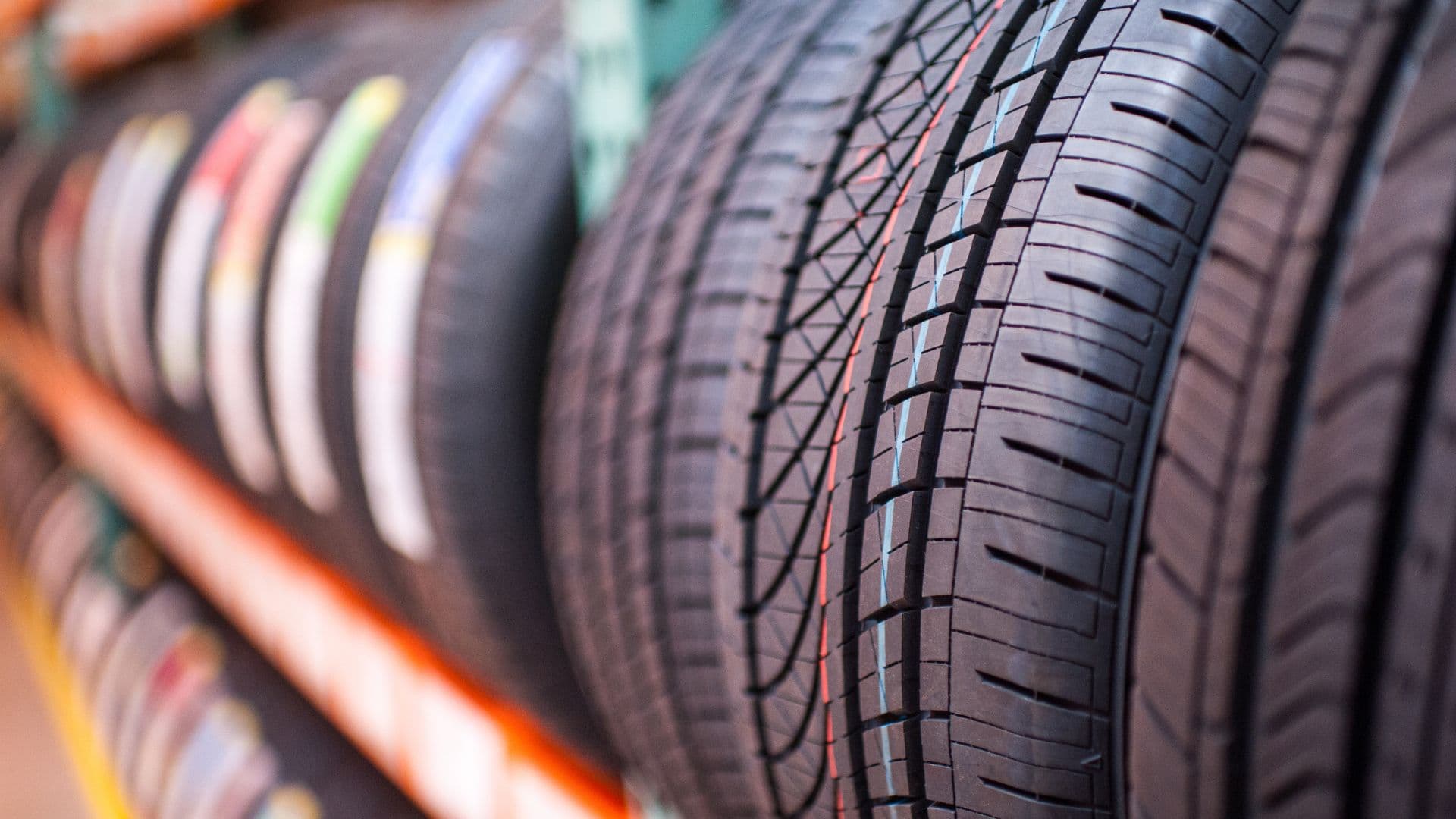
Modern car tires, despite being made of durable materials, naturally age over time. This is influenced by various factors, such as sun exposure, temperature changes, and contact with oils and chemicals. All of this can lead to a loss of rubber elasticity, which in turn can affect the performance and safety of the tire. For this reason, most tire manufacturers and automotive organizations recommend replacing tires after approximately 5-10 years from the date of manufacture. This is regardless of tire size or tread condition. Of course, if a tire shows any signs of damage, such as cracks, abrasions, or deformation, it should be replaced immediately.
Load index and speed index - what do they say about a tire?
Manufacturers also place other symbols on tires that indicate important parameters suggesting how the tires should be used. In this context, the load index and speed rating are particularly important.
The load index is a number that indicates the maximum load a tire can safely carry at maximum pressure. Each number corresponds to a specific weight the tire can carry. For example, a load index of 91 means the tire can safely carry a load of up to 615 kg.
The speed rating is a letter that indicates the maximum speed a tire can safely maintain. Each letter corresponds to a specific speed. For example, a speed rating of "H" means the tire can safely maintain speeds of up to 210 km/h. If you're interested in the difference between summer and winter tires , and not just in terms of this rating, we encourage you to read other articles published on our blog.
Understanding these ratings is crucial for the safety and optimal performance of your vehicle. Tires with an incorrect load rating may not be able to safely support the vehicle's weight, which can lead to tire failure and loss of vehicle control. Similarly, driving at speeds exceeding the tire's speed rating can lead to tire failure and dangerous driving situations.
Therefore, when choosing tires, always pay attention to these markings. Information on recommended parameters can usually be found in your vehicle's owner's manual. You can also always consult a professional mechanic or tire dealer.
Understanding the mysterious symbols found on car tires makes it easier to choose the right tires for your vehicle. This is crucial for safe and efficient driving. Remember that the right car tires are not only a matter of comfort, but above all, your safety and the safety of other road users.
