



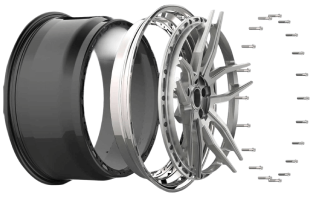
 Modern design
 Perfect fit
 High durability
 Free shipping within 24 hours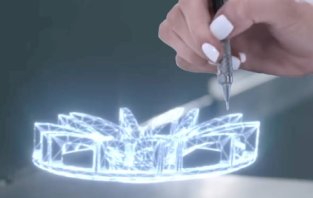
 Individual project
 Dedicated specjalist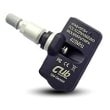



Tire pressure - how to check?
The correct pressure in your car's tires is very important and should therefore be checked regularly and very carefully.
What's the easiest and best way to check tire pressure? You'll learn exactly that in the following sections, which explain the topic. You'll also learn how pressure can significantly impact driving and accelerate tire wear.
Why is checking tire pressure important for road safety?
Regularly checking your tire pressure ensures you're always driving with properly inflated tires, which is something you should always maintain. Driving with the wrong pressure—especially too low—significantly reduces road safety. The most dangerous factors include longer braking distances and reduced speeds, which can lead to aquaplaning. Aquaplaning, commonly referred to as driving on water, leads to a complete loss of control of the vehicle. A tire with too low pressure also heats up more quickly, which can lead to a blowout. All of these phenomena depend on the quality of the tire, which is why it's worth ordering tires from top manufacturers, choosing proven models such as the Bridgestone Potenza S001 .
How to check tire pressure?
There are several ways to check your tire pressure, depending on where you want to do it and what equipment you have at your disposal.
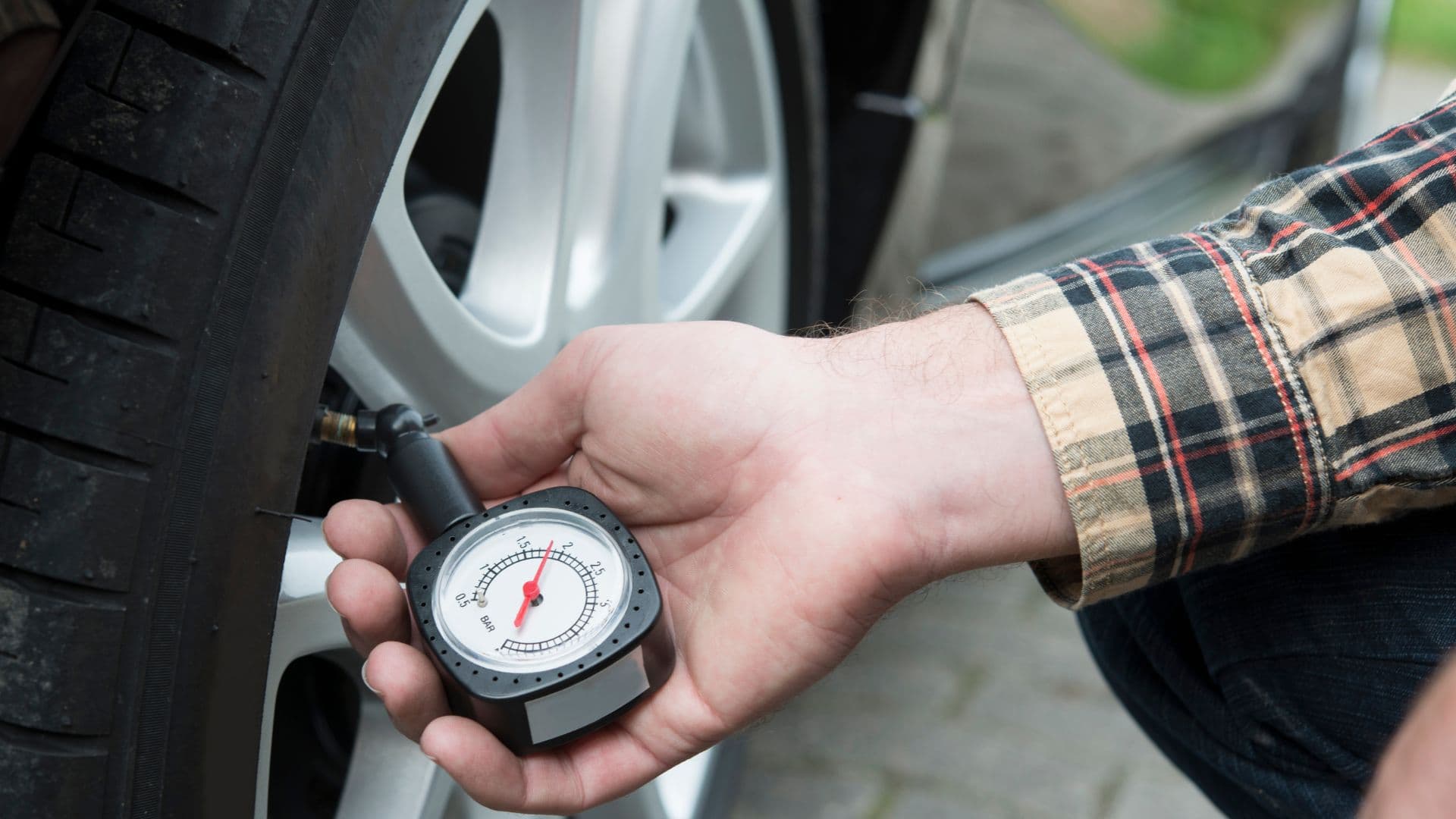
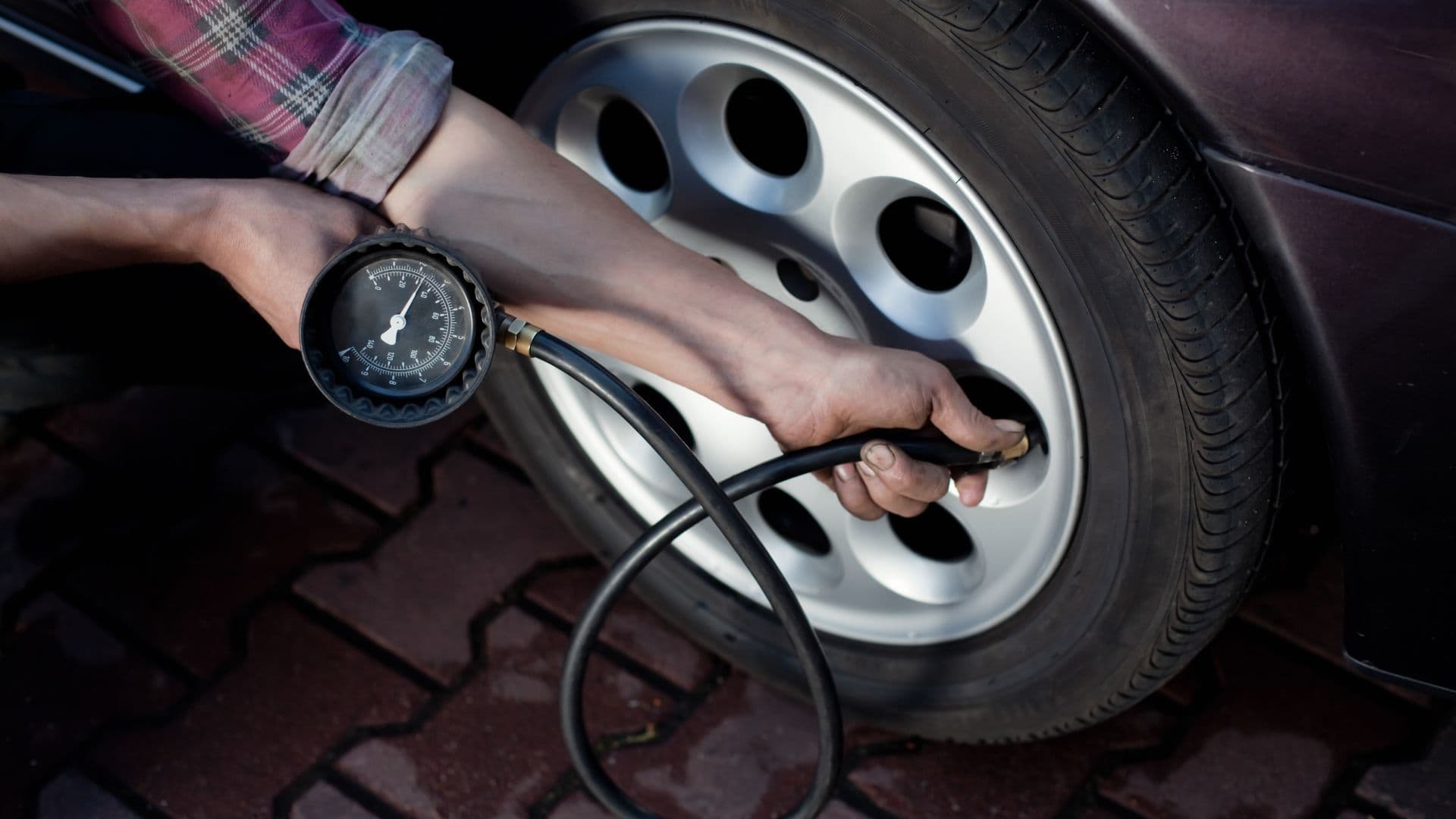
Using a manometer
A simple tire pressure gauge, also known as a tire pressure gauge, can be purchased at any automotive store, hypermarket, or gas station. It attaches to the tire valve and reads the reading from an analog scale or is displayed on a digital display. Depending on its class and manufacturer, the cost of such a device ranges from several dozen to a hundred dozen zlotys – although much more expensive models are also available, designed for workshops or large fleets.
Use of pressure gauges
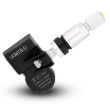
It's even simpler to check tire pressure using a system equipped with tire pressure sensors . Then, you simply read the values on the car's display. If the pressure exceeds or falls below the set range, a warning message should also appear. If you're changing tires and need to replace the sensors with new ones, or if you've moved them to a different tire, you may need a specialized TPMS programmer to properly pair them with your car. This allows you to do this yourself without visiting a specialized workshop.
Gas station use
Every good gas station has tire inflators equipped with pressure gauges. This is a convenient way to ensure, for example, while on the road, that everything is in order and that the correct tire pressure is maintained, ensuring it's completely safe to continue driving.
What is the proper tire pressure?
Every tire has a maximum operating pressure listed on the tire's sidewall. However, this is a value that shouldn't be exceeded, not the best pressure. You can find this information in your vehicle's owner's manual or on a placard, usually mounted on a pillar, the front door lock, or the fuel flap. Typically, the standard pressure recommended by manufacturers for passenger cars is around 2.2 bar (31.9 PSI, 220 kPa).
How often should you check your tire pressure?
The simplest answer is that tire pressure should be checked regularly. But what exactly does that mean?
Manufacturer's recommendations
For example, the manufacturer of the Dębica Frigo 2 tire recommends checking tire pressure once a month, and even more often in winter, when there are large temperature fluctuations.
Periodic pressure check
It's a good idea to follow the manufacturer's recommendations to ensure your vehicle has the proper tire pressure. Additionally, it's worth checking your tire pressure before every long trip and if you notice any signs that something might be wrong with your tires.
What are the consequences of incorrect tire pressure?
Incorrect tire pressure has numerous negative consequences.
Road safety
The impact of tire pressure on driving is enormous. The most significant risk is the significant increase in braking distance caused by underinflated tires. Precise vehicle steering is also impaired, which causes problems during fast cornering. Equal tire pressure on both sides can cause the vehicle to pull when driving straight ahead and spin under heavy braking. All of these phenomena are extremely dangerous and can lead to serious accidents.
Uneven tire wear
Uneven tire wear is also a result of varying tire pressures. For example, if one tire fails to maintain its pressure for an extended period, it will heat up more and react differently when turning or braking. Excessive pressure, on the other hand, leads to more rapid tread wear and abrasion in the center of the tread.
Increase in operating costs
Both under- and over-inflating tires impact vehicle operating costs. Too low increases rolling resistance and, consequently, fuel consumption or power consumption in electric vehicles. Maintaining proper tire pressure, like ecodriving, is therefore an environmentally friendly measure. Over-inflating tires can slightly reduce costs, but it also reduces safety and leads to the need for costly tire replacement much sooner. A burst tire from an over-inflated and overheated tire can have tragic consequences.
Reduced driving comfort
Driving comfort is another factor that also depends on whether you have the correct pressure in your car's tires - tires that are too hard result in more vibrations being transmitted to the entire vehicle.
How to maintain proper tire pressure?
Maintaining tire pressure is quite simple and involves a few simple recommendations.
Check tire pressure regularly
Regularly checking your tire pressure is the simplest and most effective measure. You can do this in the various ways outlined above. Remember this, especially as temperatures drop, which has a significant impact on tire pressure. A temperature difference of plus 20 degrees Celsius to minus 30 degrees Celsius can mean a tire pressure drop of 0.5 bar.
Keeping your tires tight
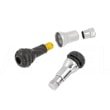
You should also check the condition of the valves and their covers. Water and dirt entering the valve may cause it to leak. Similarly, assess the condition of the tire and rim, as tubeless tires require a tight fit to maintain proper pressure. Leakage problems can also result from the wrong tire for the rim – the wrong width or different profile of the two components.
Consultation with a car service
If you have any doubts about the tightness of your tires, or their overall condition, visit a reputable service station. They will professionally assess them, perform repairs if possible, or recommend replacing them with new ones, which is often the only solution. Road safety should be a priority, and it's not worth skimping on this aspect.
If you are looking for good and cheap tires for your car, check out Nankang tires, which have probably the best price-to-quality ratio on the market.


